
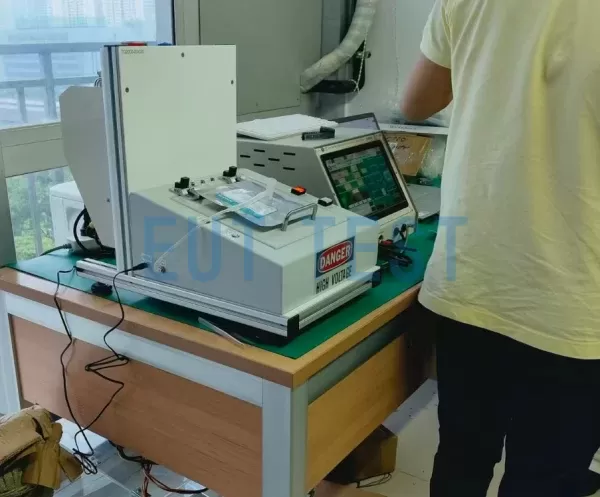
Introduction:
This article draws on recent training records for the brand-new HT9464M-13kVrms test system provided to a client, as well as the system’s use of a new inert gas to enhance air insulation capabilities. The inert gas is used to enhance the insulating capacity of the air in the test environment, thereby minimizing the impact of factors such as air temperature and humidity on product testing. This serves as a reference for both new and existing customers when selecting equipment. Following the presentation of this training record, we will also provide a brief guide to equipment selection.
Project Profile:
On June 18, 2026, our company successfully provided a Shenzhen-based client with a brand-new version of the product featuring the highest voltage rating (multiple voltage versions are available).HT9464M-13 kVrms Insulation Voltage and Partial Discharge Tester, This device can handle 13 kVrmsViso Isolation Voltagerespond in singingQpd partial dischargeTest requirements: Compared to the 10 kVrms used by previous customers, higher test voltages impose stricter leakage current requirements on digital isolators and optocoupler chips, thereby contributing to the development of China’s integrated circuit industry.
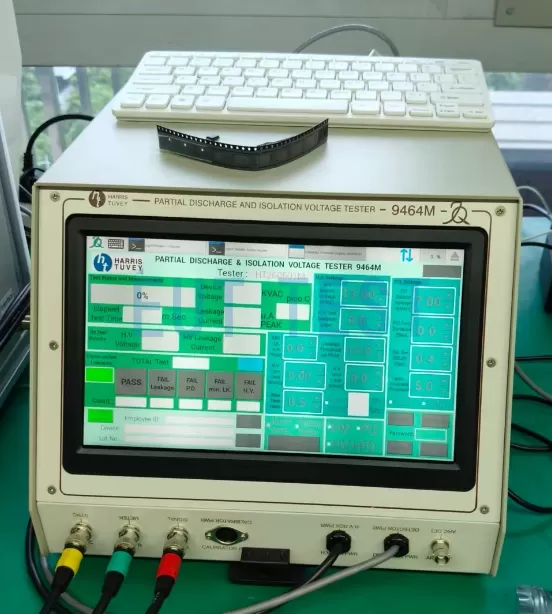
The all-new HT9464M-13kVrms
The client for this project is a company affiliated with Shenzhen University, which indicates that Chinese universities are placing increasing emphasis on the testing and certification of isolator chip products. Due to the client’s confidentiality policy, this article will not disclose specific client information; instead, it will present only a selection of images from the training session along with brief descriptions.
Basic Features:
We have already provided detailed technical specifications and a feature overview on the HT9464M product page, so we will not repeat them here. However, as shown in the test data below, the new device has successfully provided a test voltage of 13 kVrms to the customer and is capable of measuring leakage current in real time throughout the entire voltage ramp-up process. The green section in the figure shows the partial discharge test results. Although this sample passed the maximum insulation voltage test, a discharge of 1.2 pC occurred at Qpd as low as 7.5 kV; therefore, the subsequent Qpd test curve is not shown in the figure.
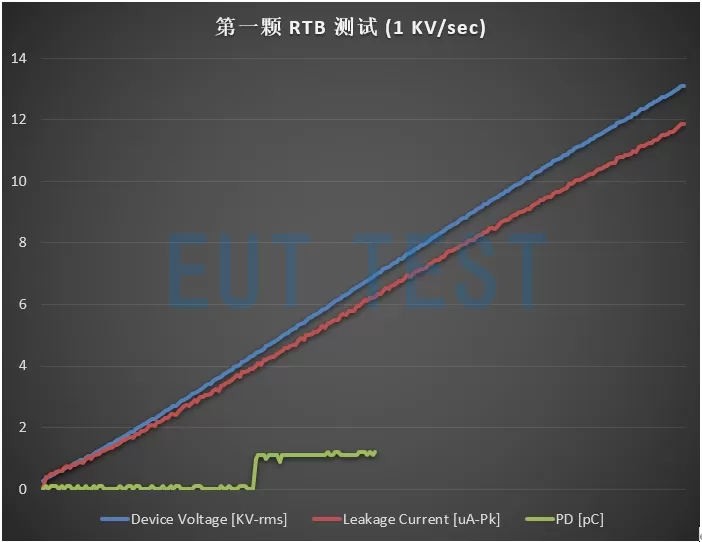
The new HT9464M features a 13 kVrms isolated voltage output and leakage current monitoring capabilities.
All-new inert gas isolation capabilities:
To increase the test voltage for this project, the client utilized the inert gas isolation capability we provided. When the gas is injected into the test chamber, all air is purged. The inert gas we provide has extremely high insulating properties, which will significantly increase the voltage that can be applied to the sample.
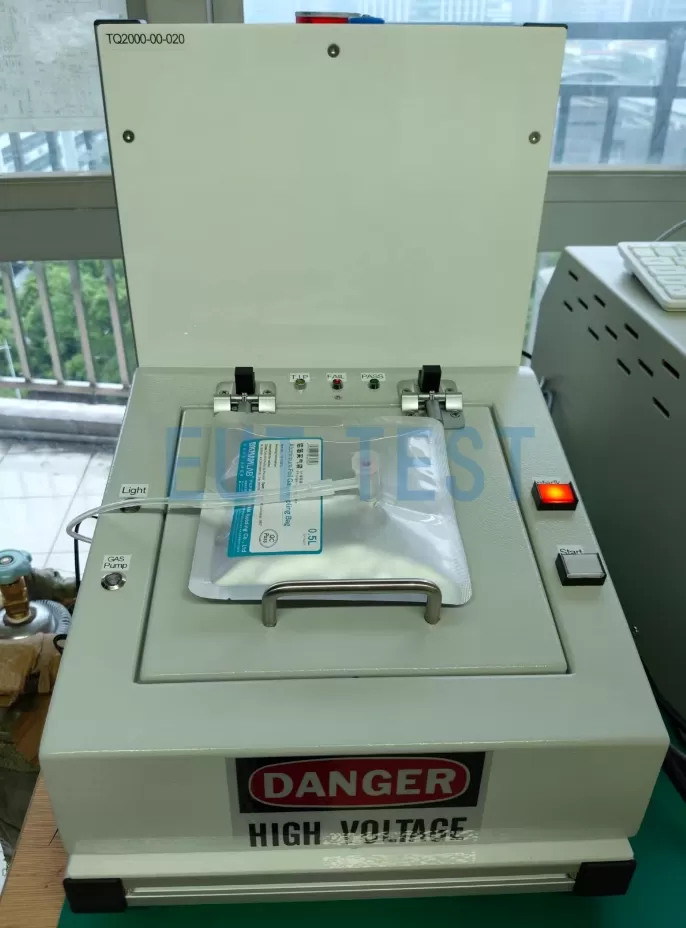
Inject inert gas into the manual test device
To make it easier for our customers to use our products, we provide a complete set of gas supply equipment. After purchasing the instrument, customers simply need to supply inert gas to the equipment following our training or brief operating instructions.
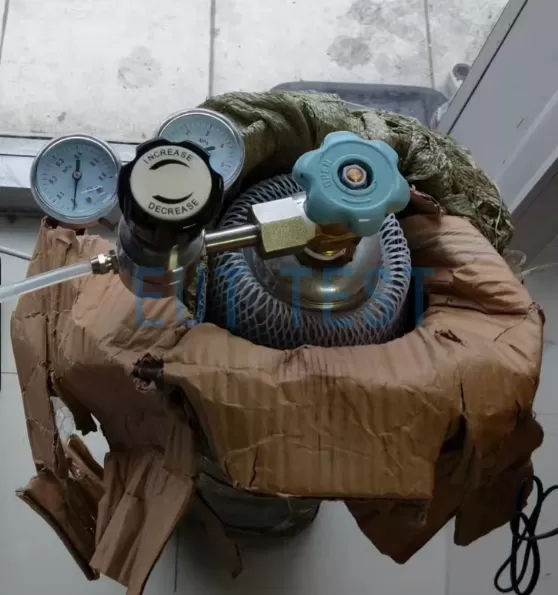
Inert Gas Supply System
Recommendations for Model Selection:
The inert gas injection system described above is intended only for customers who require it. If your product’s insulation voltage cannot even withstand 3 kVrms, there is no need to purchase a gas injection system; therefore, your configuration will differ from that of the customers described in this article. All you need to do is provide your test voltage and a sample. We will verify the insulation voltage at which the sample generates leakage current and its partial discharge curve, and then provide you with a suitable test system configuration. Throughout the process, you won’t have to worry about selecting the right equipment.
Additionally, even if you purchase the HT9464M-7.5kV low-voltage version, you can still use the inert gas injection device. The only difference is that the testing process includes an additional gas injection step, which increases the tester’s sensitivity to humidity in the laboratory environment.
 What standards need to be looked at for optocouplers or digital isolators for safe electrical isolation?
 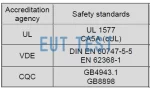 What are the Viso and Viotm for the HT9464 test?
  IEC 60747-17 Safety certification test items for digital isolators
  IEC 60747-5-5 Safety certification test items for optocouplers