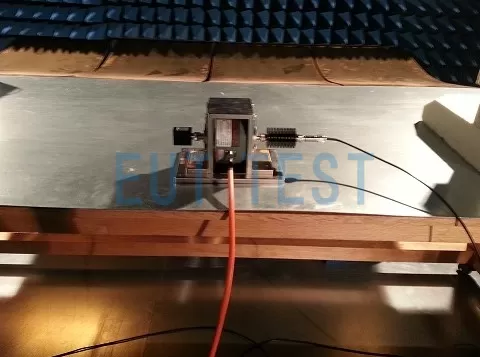
This article mainly introduces the test use and calibration instructions of two FCC current probes (current injection and current monitoring).FCC current probes are manufactured by the U.S. FCC and authorized to be sold by EUTTEST agent products. We can provide authorization certificates for bidding and other operations, contact us for more information. For more information, please contact us. For specific product models, please click on the link below:
FCC Current Probes All Models List|Price
CS-Conducted Immunity Test Description
Current probes are divided intoInjection proberespond in singingmonitoring probeThe general injection probe is used for CS conducted immunity testing;
Monitoring probe for cable bundle current method test, cable bundle in the standard test need to test all communication cables at the same time, as a rectification and troubleshooting can be used in the way of current probe + spectrometer/receiver to confirm the source of RF signal interference.
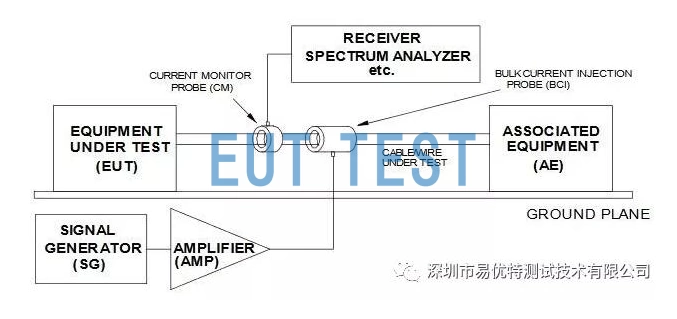
Figure 1: Current Probe BCI Test Methods
The BCI closed-loop method of testing requires that both the injection and monitoring probes operate simultaneously to confirm that the sample current actually injected into the EUT DUT meets the standard requirements.
FCC Current Probe Calibration Method
When using a current probe, we need to focus on the following two elements:
- How do I calibrate the transmission impedance of a current probe?
- How to calibrate the voltage VSWR of a current injection probe?
Both of the above questions use the test configuration shown below, the current probe calibration needs to be matched with a standard calibration fixture, the current probe will be coupled to the center conductor of the fixture of high-frequency current, the left side of the conductor end of the 50-ohm load (pay attention to the power), the right side of the access to the spectrometer to read the current probe injected into the 50-ohm cable on the standard signal.
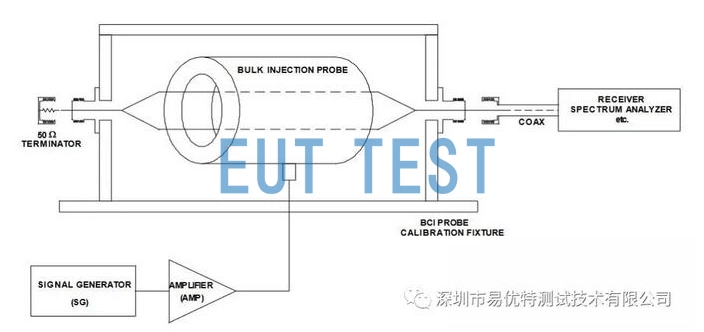
Figure 2: Current Probe BCI Injection Calibration Methods
CE-Conducted Emission Current Method Test Description
Conducted emission testing, especially the current probe test method required by the CISPR25 standard, requires the testing of interconnecting cable interference currents up to 108MHz, which requires the use of a current probe in conjunction with a receiver/spectrometer. The peak and AV values captured after testing need to be compared with the CISPR25 limit line.
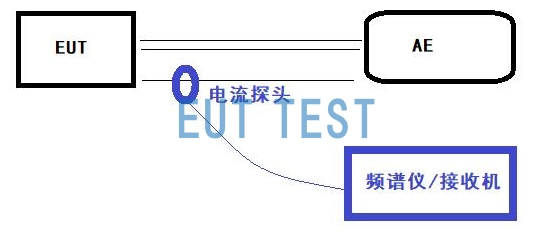
Figure 3: Current Probe CE Conducted Emission Test Methods
Based on criteria:
Using our current probe test use and calibration instructions, you can calibrate and test your product using the FCC Current Measurement Probe or FCC Current Injection Probe according to the following standards.
- CISPR32 Current Probe Method Test
- CISPR25 Current Method Testing
- IEC/EN 61000-4-6
- Mil STD 461/462 E/F/G
- GJB151B-2013
- EN55022/CISPR 22
- Pulsers for Mil Std 188-125
- RTCA/DO-160 Section 20 and 22
- Bellcore TR-NWT-001 089
- SAE Jl5447
- EN 55101-4
- CSEFA-2
- ………